
Unlocking ROI: Effective Review Management for Local Businesses

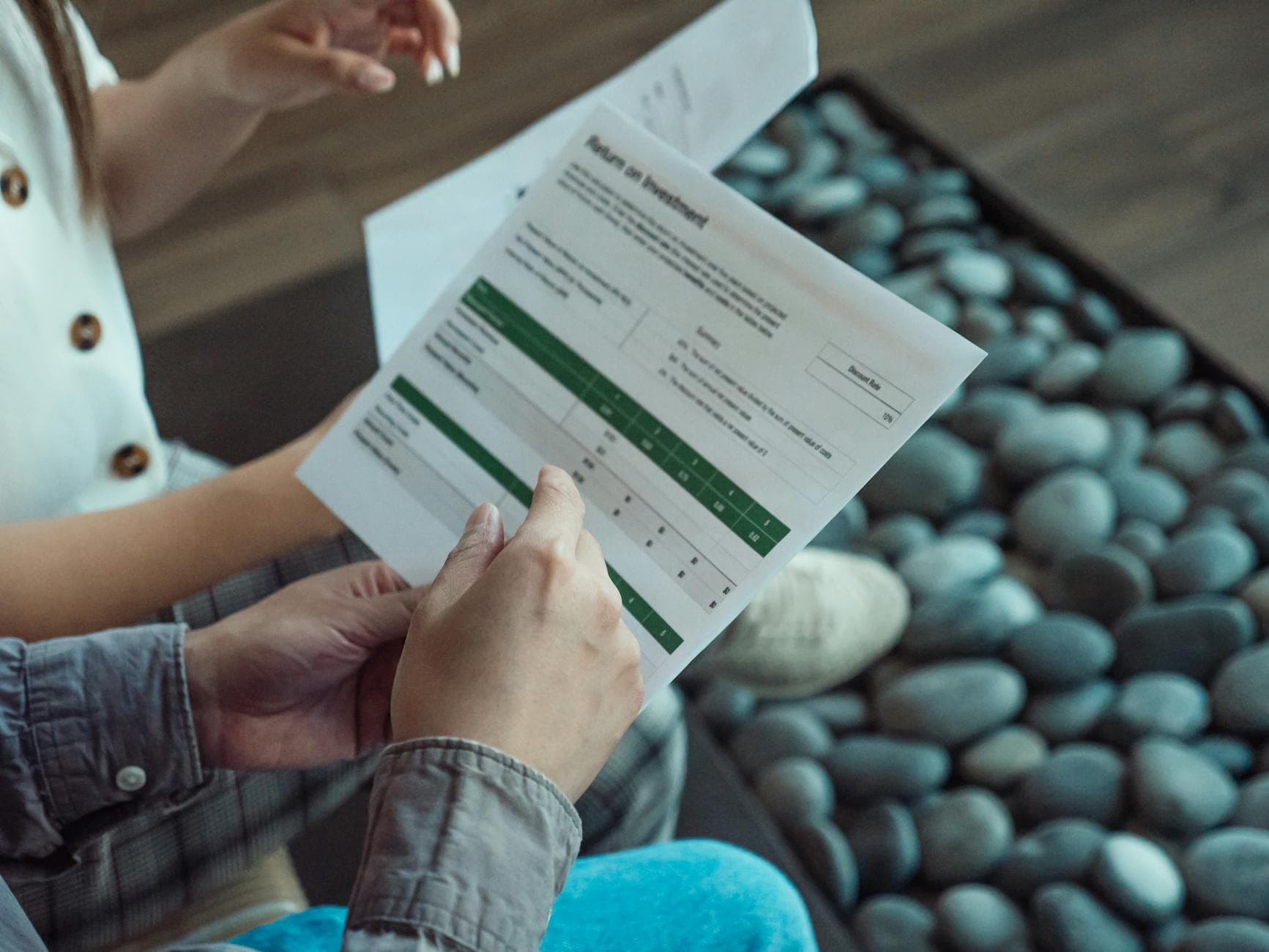
Understanding ROI in Review Management
Return on Investment, or ROI, is a key metric that businesses use to determine the profitability of their review management strategies. In simple terms, ROI from review management can be calculated by comparing the profits gained from new customer acquisitions against the costs involved in managing these reviews.
To effectively measure ROI, local businesses should start by identifying the specific objectives of their review management strategy. This could include increased foot traffic, higher sales, or improved brand reputation. With clear goals in place, businesses can track relevant metrics such as review volume, average rating, and customer engagement.
Generating Positive Reviews
Generating positive reviews is a critical component of review management. Encouraging satisfied customers to leave positive feedback can significantly improve a business’s online reputation. Here are a few strategies to boost review generation:
- Ask for Reviews: Prompt customers to leave reviews through emails, receipts, or in-store prompts.
- Make it Easy: Provide direct links to review platforms in communications with customers.
- Incentivize Feedback: Consider offering small rewards or discounts for customers who leave reviews.
By actively generating reviews, businesses can increase their visibility and attract more potential customers.
Responding to Reviews
Responding to reviews, both positive and negative, is an integral part of review management. Engaging with customers who take the time to leave feedback demonstrates that the business values their opinions, fostering trust and loyalty.
When responding to reviews, businesses should:
- Thank Positive Reviewers: Express gratitude for positive feedback to reinforce good experiences.
- Address Negative Feedback: Acknowledge issues and offer solutions to resolve customer concerns.
- Be Professional: Maintain a professional tone, even when addressing complaints or negative comments.
Effective review responses can turn a dissatisfied customer into a loyal one and showcase the business’s commitment to customer satisfaction.
Removing Fake or Abusive Reviews
Fake or abusive reviews can significantly harm a business’s reputation. It’s important to identify and remove such reviews to maintain credibility. Most major platforms provide processes for reporting and removing inauthentic reviews.
Steps to address fake reviews include:
- Identify Suspicious Reviews: Look for reviews with generic names, vague details, or overly negative language.
- Report to the Platform: Use the platform’s tools to report suspicious or abusive reviews.
- Provide Evidence: If necessary, provide evidence to support the claim that a review is fraudulent.
By removing fake reviews, businesses can ensure their online reputation reflects true customer experiences.
Monitoring Reputation Across Platforms
Constantly monitoring reviews across various platforms is crucial for understanding how a business is perceived online. Reputation monitoring tools can help track review trends and alert businesses to new feedback promptly.
Effective monitoring includes:
- Using Alerts: Set up notifications to stay informed about new reviews or changes in ratings.
- Analyzing Trends: Regularly analyze review data to identify patterns and areas for improvement.
- Benchmarking Performance: Compare performance against competitors to understand market positioning.
Proactive monitoring helps businesses address issues quickly and maintain a positive online presence.
Building Local Trust Signals
Local businesses must establish trust within their community to thrive. Positive reviews serve as local trust signals, influencing potential customers’ decisions.
To enhance local trust:
- Engage Locally: Participate in community events and encourage community members to leave reviews.
- Highlight Local Connections: Mention local partnerships or contributions in responses to reviews.
- Showcase Local Awards: Display any local recognitions or awards prominently on platforms.
By building strong local trust signals, businesses can create a loyal customer base and improve their competitive edge.
FAQs on Measuring ROI from Review Management
How long does it take to see ROI from review management?
Typically, businesses may start seeing improvements in reputation and customer engagement within a few months. However, tangible ROI, like increased sales, might take longer depending on the industry and customer base.
What tools can help measure ROI from review management?
Tools like Google Analytics, Yelp Business Dashboard, and reputation management software can help track review performance and link it to sales or customer acquisition metrics.
How can negative reviews impact ROI?
Negative reviews can deter potential customers, reducing sales and impacting ROI. However, addressing negative feedback proactively can mitigate these effects and even convert dissatisfied customers into loyal ones.
Is it possible to automate review management?
Yes, many tools offer automation features for monitoring reviews, sending review requests, and even drafting responses. However, personalizing responses is crucial to maintain customer trust.
How important is review management for SEO?
Review management is vital for local SEO as search engines favor businesses with positive reviews and higher engagement. A strong review profile can improve search rankings and visibility.
Conclusion
Effective review management is essential for local businesses aiming to improve their online reputation and achieve a positive ROI. By focusing on generating positive reviews, responding to feedback, removing fake reviews, and building local trust signals, businesses can enhance their digital presence and attract more customers. Consistent monitoring and analysis will ensure that businesses stay ahead in their reputation management efforts, ultimately leading to increased profitability and success.
Subscribe to our newsletter
We send helpful materials once a month, along with information about discounts and special offers. No daily spam
How to unsubscribe from the mailing list?